Nikki Kahan
Welcome to Early Foundations OT

Building the Skills Children Need to Thrive at Home, School and Beyond

Paediatric Occupational Therapy for Children Aged 2–18

Providing evidence‑based assessment and intervention to build the foundational skills needed for learning, participation, independence, and overall wellbeing across home, school, and community environments.

We offer both ongoing therapy support and targeted support programs to meet the varying needs of families.

Nikki Kahan
Founder of Early Foundations OT

Nikki Kahan

Paediatric Occupational Therapist

As a Paediatric Occupational Therapist, I support children and young people aged 2–18 years to develop the skills they need for learning, participation, independence, and overall wellbeing. My practice is grounded in evidence-based interventions and guided by a commitment to providing individualised, strengths-based support that empowers each child to thrive within their everyday environments.

I hold a Master of Occupational Therapy from Monash University and have completed a Certificate in Mindfulness and Wellbeing for Children. Throughout my career I have worked extensively with children and adolescents with Autism, ADHD, and developmental delays.

I am particularly passionate about fostering the foundational skills that underpin school readiness and supporting children to transition confidently into the classroom. Collaboration sits at the heart of my practice, and I work closely with families, educators, and multidisciplinary teams to ensure interventions are meaningful, consistent, and aligned with each child's unique goals and needs.

Beyond my professional role, I am a proud mother to two energetic young boys. When I'm not working, you might find me at Pilates, spending time with my family at the beach, walking my dog, or enjoying an almond chai. I look forward to partnering with you and your family to support your child's growth, confidence, and success in the activities that matter most to them.

🤝

Family Centred

I partner with families to understand priorities and celebrate progress.

🔬

Evidence Based

Using the latest evidence and assessment tools to inform therapy.

🏫

Collaborative

Working alongside schools and other professionals for consistent support.

The Early Foundations Approach

How We Work Together

Here's how we begin our journey together — from the first conversation to celebrating your child's progress.

1

Initial Parent Consultation

Parent(s) meet the OT online or in person to discuss your child's strengths and challenges to understand how we can support you best.

2

Assessment Session

We complete assessments to understand your child's needs and strengths. This may include a school observation session.

3

Goal Setting

We create individualised goals that are meaningful and achievable.

4

Therapy Sessions

Fun and engaging therapy to build skills and build confidence.

5

Review & Progress Planning

We celebrate progress and plan next steps together.

Therapy looks different for every child. We adapt our approach to suit your child's unique needs, goals, and pace — because there's no one-size-fits-all path to progress.

What We Support

Areas of Ongoing Therapy Support

Every child develops at their own pace. Sometimes challenges with everyday activities can affect their confidence, independence and participation. If you notice your child is having difficulty in any of the following areas please reach out to Early Foundations OT to discuss how we can help support your child to reach their full potential.

👕

Self-Care Tasks

Difficulty getting dressed, using cutlery, brushing teeth, toileting, or managing buttons and zippers can impact independence.

Fine Motor Skills

Your child may find it difficult to hold a pencil, use scissors, complete puzzles, or manipulate small objects.

✏️

Handwriting is challenging or causing frustration

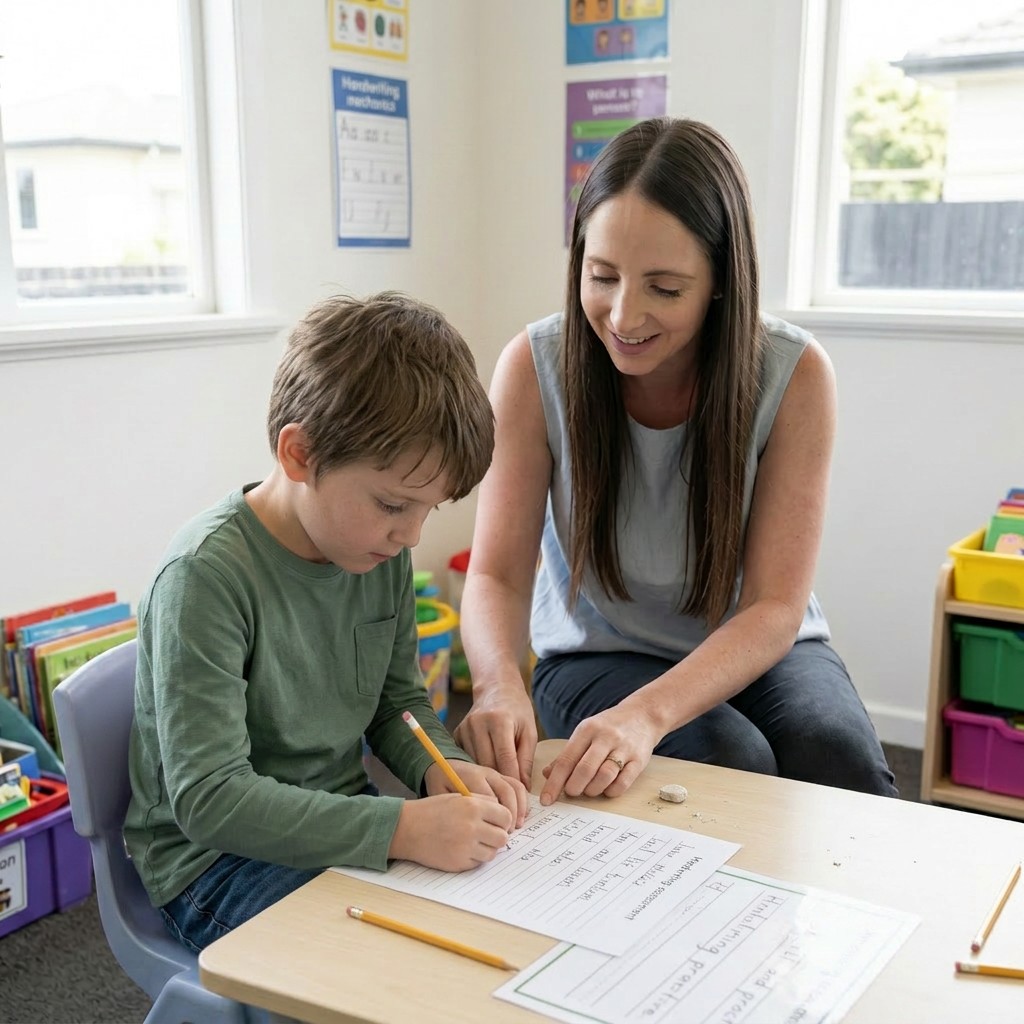
Messy handwriting, poor pencil control, slow writing speed or avoiding written tasks may affect learning and confidence at school.

🎯

Attention and Organisation

Difficulty following instructions, transitioning between activities, completing tasks or managing routines can impact daily life.

🌀

Sensory Experiences

Your child may be overly sensitive to sounds, clothing textures, food textures, bright lights, or busy environments, or they may constantly seek movement and sensory input.

🏃

Coordination and Balance

Frequent tripping, difficulty riding a bike, catching a ball or participating in playground activities may indicate motor coordination difficulties.

❤️

Emotional Regulation

Big reactions to everyday situations, difficulty managing frustration, anxiety, or coping with changes in routine can affect family life and participation.

👫

Social Skills

Reading social cues, asking for help when needed, maintaining friendships, understanding personal space and taking turns.

🎒

School Participation

Teachers may have raised concerns about attention, handwriting, organisation, motor skills, sensory needs or classroom participation.

Ready to Learn More?

Early support can make a significant difference in your child's confidence, independence, and participation in everyday life. Contact Early Foundations OT to discuss your concerns or book an initial assessment.

Get in Touch
Handwriting Assessments
Feature Focus

Handwriting Assessments

Comprehensive assessment to understand your child's handwriting skills and identify supports for school participation.

May include:

Handwriting speed, legibility, and endurance
Fine motor and visual-motor skills
Written output in classroom tasks
Impact on learning and academic performance
Recommendations for classroom adjustments and supports

Assessment findings can help determine whether special considerations, accommodations, or assistive technology may be beneficial for classroom learning and examinations.

Includes a written report and practical recommendations tailored to your child's needs.

Targeted Support Programs

School Readiness Digital Wellbeing The Mindful Child
Contact us to learn more about our programs →
Fees & Funding

Session Fees

All fees are aligned with the current NDIS Price Guide and are subject to change in accordance with NDIS guidelines.

🧑‍⚕️

Individual Therapy

$193.99/hour

One-on-one therapy sessions tailored to your child's individual goals and needs.

* Additional travel fee applicable to community visits

📄

Written Reports

$193.99/hour

Occupational therapy assessment reports and NDIS progress reports.

📋

Assessments

Contact us

Duration varies based on your child's individual needs. Discussed individually to determine specific requirements.


How to Fund Your Child's OT

We work with a range of funding options so therapy is as accessible as possible for your family.

Private / Self-Funded

Self-funded families are welcome. Some private health funds cover OT in extras — check with your insurer. We provide receipts for rebate claims.

NDIS (Self-Managed & Plan-Managed)

We support NDIS participants who are self-managed or plan-managed.

Medicare — Chronic Disease Management

A GP can refer for up to 5 allied health sessions per year under a CDM plan, with a partial Medicare rebate for OT.

💡 Not sure which option applies to you? Get in touch and we'll help you navigate the funding options available for your child.
FAQs

Frequently Asked Questions

What is Paediatric Occupational Therapy?
Paediatric occupational therapy helps children develop the skills they need to participate confidently in everyday life. This may include self-care tasks such as dressing and eating, school-related skills like handwriting and attention, social participation, play skills, emotional regulation and sensory processing.

Our goal is to help your child build independence, confidence, and success in the activities that matter most to them and your family.
How do I know if my child needs occupational therapy?
Many parents contact us because they have noticed their child having difficulty with everyday activities, learning new skills more slowly than expected or becoming frustrated by tasks that seem difficult.

You don't need to have all the answers before reaching out. If something doesn't feel quite right, it's okay to ask questions. We can help you understand your child's strengths, challenges and whether occupational therapy may be beneficial.
Do I need a referral?
In most cases, no referral is needed to see a paediatric occupational therapist. Parents can contact us directly to discuss their concerns and arrange an assessment.

If your child has been referred by a GP, paediatrician, teacher, psychologist, or another health professional, we are happy to work collaboratively with their support team.
What happens during the first appointment?
The first appointment is a parent meeting so we can discuss your concerns freely away from little ears listening (online or in person). We will talk with you about your child's development, daily routines, strengths, and any challenges you have noticed.

The next step is most often a school observation to observe how your child is engaging in their natural environment. They will then engage in a 1:1 session with the OT.

There is no pressure for your child to perform perfectly. We simply want to understand how they experience everyday tasks and identify ways we can support them.
Will my child know they are being assessed?
Children often experience assessments as a series of games, activities, conversations and challenges that are matched to their age and interests.

We work hard to create a welcoming environment where children feel comfortable, supported and encouraged. Building trust is an important part of the process.
What if my child is shy, anxious or reluctant to attend?
This is very common and completely understandable.

Many children feel uncertain when they are entering a new environment or meeting someone new. Our therapists take the time to build rapport at your child's pace and create a safe and positive experience.

There is no expectation that your child will immediately engage in every activity. We meet children where they are and work gradually to build comfort and trust.
How often will my child need therapy?
The answer is different for every child.

Some children benefit from short-term support focused on a specific goal, while others may require ongoing therapy over a longer period. Following the assessment, we will discuss recommendations with you and develop a plan that suits your child's needs and your family's circumstances.

You will always be involved in decision making.
How long is a typical OT session?
Sessions are billed at one hour.

This is made up of 45 minutes face to face and 15 minutes for note writing and pack up time.
Where do sessions take place?
Sessions will either take place at the clinic in Highett, at your home or at your child's school/kindergarten. The location will be decided based on what is best for the child to reach their full potential.
Will I be involved in therapy sessions?
Absolutely.

Parents and caregivers play an important role in a child's progress. We believe the best outcomes occur when therapists and families work together.

We will provide practical strategies, education, and support so you feel confident helping your child at home and in everyday situations.

When parents are not present for the session (eg school based sessions), comprehensive notes will be sent out to the whole team to support follow through of recommendations between sessions.
Will there be a travel fee for community visits?
Yes. The amount will be confirmed before the initial assessment and outlined in the service agreement.
How long does it take to see progress?
Every child develops at their own pace so progress looks different for everyone.

Some families notice positive changes within a few weeks, while other goals may take longer to achieve. We focus on meaningful progress and celebrate every step forward, no matter how small it may seem.

Our priority is helping your child build skills that create lasting confidence and independence.
What if my child receives support from other professionals?
We regularly collaborate with teachers, early childhood educators, psychologists, speech pathologists, physiotherapists, paediatricians and other professionals.

Working together allows us to create consistent strategies and provide the best possible support for your child.
Is occupational therapy only for children with a diagnosis?
No.

Many children benefit from occupational therapy without having a formal diagnosis. Therapy can support any child who is finding certain aspects of daily life challenging, regardless of whether a diagnosis is present.

Our focus is understanding your child's needs and helping them succeed.
Why choose a Targeted Support Program?
Sometimes families don't require ongoing therapy. They simply need expert guidance, practical strategies and a clear plan.

Our targeted programs are designed to:
  • Address specific concerns in a focused and efficient way
  • Equip parents with practical, evidence-informed strategies
  • Support children in everyday environments where they learn and grow
  • Build confidence for both children and parents
  • Help families make meaningful progress in a short period of time
If you're not sure which program is the best fit, we're happy to discuss your concerns and help you determine the most appropriate support for your child and family.
What if I'm worried but not sure whether therapy is needed?
You are not alone. Many parents feel uncertain about whether their concerns are significant enough to seek support.

A conversation with an occupational therapist can provide clarity, reassurance and guidance. Even if therapy is not required, you will leave with a better understanding of your child's development and practical suggestions for supporting them.

There is never any harm in asking questions.
What is the most important thing I should know?
You do not need to navigate your concerns alone.

Seeking support does not mean something is "wrong" with your child. Every child develops differently and sometimes they simply need the right support, strategies and opportunities to thrive.

Our role is to work alongside your family, celebrate your child's strengths and help them build the skills they need to participate confidently in everyday life.

Together, we can create a pathway forward that feels positive, achievable and focused on your child's success.
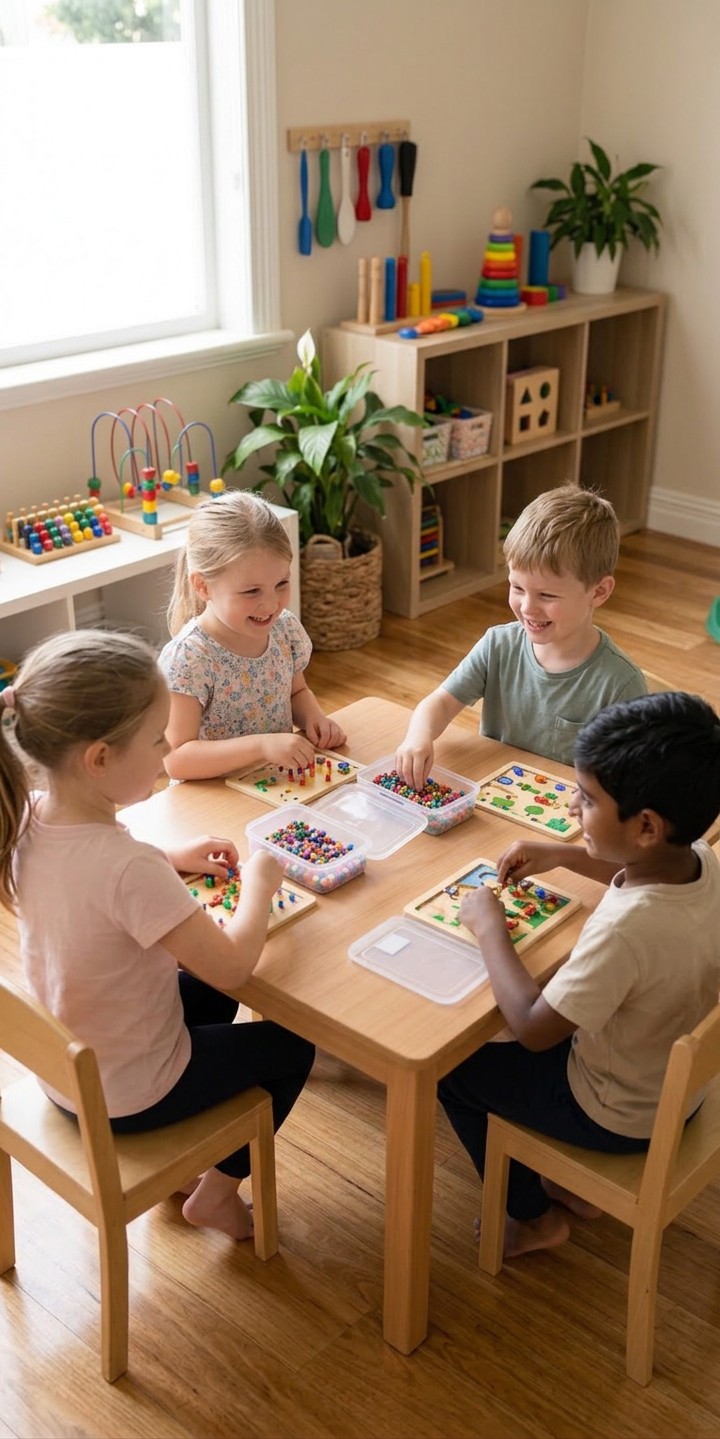

The journey to greater independence, confidence, and connection begins here.

We'd love to be part of your child's story — get in touch to find out how we can help.

Contact

Have a question or ready to book? Send us a message and we'll be in touch within 1–2 business days.

📍
Highett Clinic 5 Beaumaris Parade, Highett, VIC 3190
🚗
Mobile Therapy Across Bayside & Kingston

Send an Enquiry

✅ Thank you! Your message has been sent. We'll be in touch within 1–2 business days.